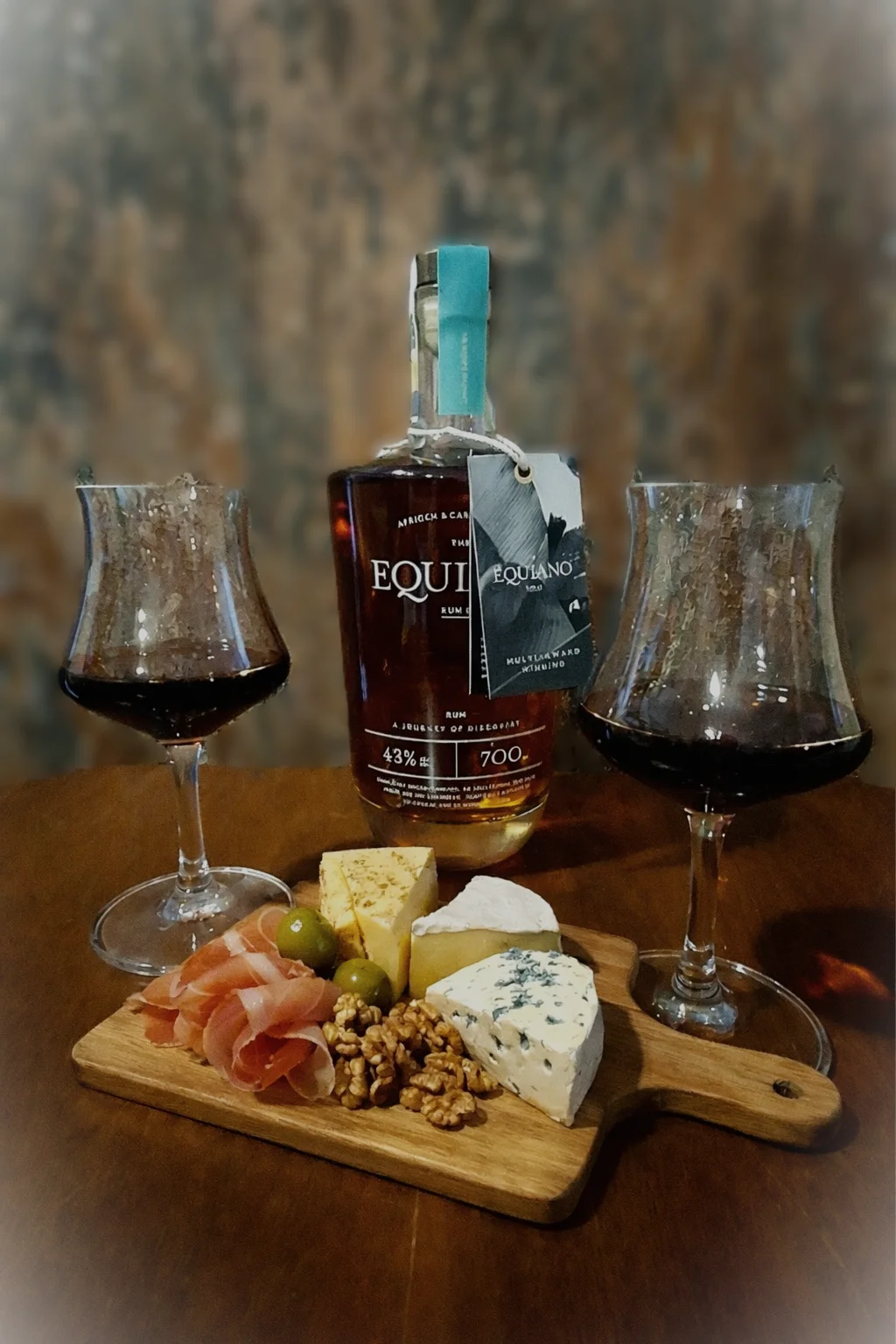
You are standing in front of a shelf full of rum. Bottles with pirate ships, numbers like 12, 15 or 23, words like Reserva, Solera, Agricole. Prices from a few hundred to several thousand crowns. How do you find your way and avoid a bottle that tastes mostly of sugar and vanilla? Let us go through it step by step.
Rum is not one drink but a whole family of styles
Rum is made on dozens of islands and in many countries, and every tradition tastes different. Three main styles are enough to get your bearings.
Spanish style (Cuba, Dominican Republic, Panama, Venezuela)
Lighter and smoother, often with notes of vanilla, caramel and dried fruit. Usually distilled in column stills. A good start for beginners.
English style (Jamaica, Barbados, Guyana)
Fuller and bolder. Jamaican rums are known for intense fruity notes, sometimes compared to overripe banana or pineapple. Often distilled in traditional pot stills.
French style (Martinique, Guadeloupe)
Rhum agricole is made not from molasses but from fresh sugarcane juice. It tastes fresh, grassy and herbal. Martinique even has a protected designation of origin (AOC) for rum, just like French wines.
Molasses or sugarcane juice?
Most of the world's rum is made from molasses, the thick syrup left over from sugar production. A smaller part is made directly from fresh sugarcane juice. Neither is automatically better, but it is the first thing worth looking for on the label, because it shapes the taste.
What the number on the bottle means
This is where most mistakes happen. The number on the label does not always mean the age of the rum.
If a rum from Jamaica, Barbados or Martinique says "12 years", it usually means the youngest rum in the blend has aged at least 12 years.
But "Solera 23" or a number without the word "years" is often marketing. In the solera system rums of different ages are blended, and the number may refer to the oldest component, not the average. Such a rum can be pleasant, but do not expect the taste of a 23 year old spirit.
Tip: Look for clear information on age, country of origin and ideally the distillery.
Why some rum is so sweet
Many popular rums contain added sugar. It makes them round and sweet, which people like, but it also hides the true character of the spirit. EU rules today limit how much sugar a drink called rum may contain, yet the differences between brands are still large.
How to tell? If a rum tastes very sweet, sticky and mostly of vanilla and caramel, it was probably sweetened. A quality rum can have sweet notes from the cask, but it feels dry and clean in the mouth.
Spiced rum is not rum
Flavoured "spiced" rums are, under EU rules, spirit drinks, not rum. They often have lower alcohol too. They are fine for cocktails, but if you want to get to know real rum, start elsewhere.
Five tips for choosing a good rum
1. Read the label. Country of origin, distillery, age and raw material are good signs. The more a producer tells you, the less they have to hide.
2. Do not be fooled by numbers. Tell a clearly stated age apart from a Solera number.
3. Start with a lighter style. If you are new to rum, try the Spanish style first, then Jamaican or agricole.
4. Price tells you something, but not everything. A quality aged rum under 500 CZK is rare. An expensive bottle is no guarantee it is not sweetened.
5. Taste side by side. You learn the differences fastest with several rums in front of you.
How to taste rum properly
Pour a small amount into a tulip shaped glass, not a wide tumbler. Look at the colour first, but do not trust it fully, as rum can be coloured with caramel. Then nose it slowly, starting from a distance. Take a small sip and hold it in your mouth for a moment. If the rum is strong, add a few drops of water and see how it opens up.
The fastest way: taste it with a guide
Reading about rum is fine, but you will understand the difference between Jamaica and Martinique best in the glass. That is why at Wine Institute in Prague we offer:
• Rum course: in 3 to 4 hours you taste seven premium rums and learn how rum is made, how the styles differ and how to judge rum. https://www.wineinstitute.cz/p/rumovy-kurz-wineinstitute?lang=en
• Rum tasting for two: seven rums from different regions and traditions, a perfect evening for two or a gift. https://www.wineinstitute.cz/p/degustace-rumu-pro-dva?lang=en
• Winetellect rum certification: test your knowledge online at your own pace. https://www.wineinstitute.cz/certifikaty?lang=en
Michael Karlík, Wine Institute